
Is the MemoHoney Dose High Enough? Capsule Counts Against Studied Amounts
Because every amount is printed, this label allows a check that most cannot. The result is a gap between the capsule and the research.
Not by the numbers in our sources. One capsule holds 100 mg of citrulline malate against 8 g in an NIH-recorded protocol, 40 mg of beta alanine against 1.6 to 6.4 g a day, and 400 mg of arginine against 6 to 30 g. Those are 80, 40 and 15 capsules. The label says one a day.
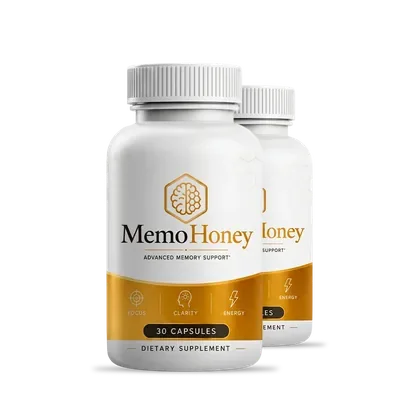
You can check the arithmetic against the bottle. The order page shows the pack options and the guarantee.
See today’s price and guaranteeDisclosure: Memoahoney is a USA Authorized MemoHoney Retailer and earns a commission on orders placed through this site. The price is shown at checkout.Key facts
- The label dose is one capsule a day. Do not exceed it.
- L-citrulline malate: 100 mg per capsule against 8 g in a protocol the NIH records, so 80 capsules.
- Beta alanine: 40 mg against 1.6 to 6.4 g a day over 4 to 8 weeks, so 40 capsules at the bottom of the range.
- L-arginine in both forms: 400 mg against 6 to 30 g a day in 3 doses, so 15 capsules at the bottom.
- Calcium: 18 mg against the 1,300 mg Daily Value, so 72 capsules. Niacin: 7.5 mg NE against 16 mg NE, about 2 capsules.
- No published human trial of this formula exists. Every comparison is against research on single ingredients.
- The comparison is arithmetic, not advice to take more.
How do you compare a capsule with a study?
You need four things: the ingredient, the amount in the product, the amount in the study and the time the study ran. Divide the study amount by the capsule amount and you have a capsule count.
That count is not a recommendation. It is a measuring stick. If it takes 80 capsules to reach the studied amount of one ingredient, and the label says take one, then the product is not a copy of the study. It may still be worth taking for other reasons, but the study cannot be used as its proof.
We use only amounts from sources named on this site: the NIH fact sheets, the Drugs.com professional monograph, the FDA Daily Value and the label itself.
What are the numbers, ingredient by ingredient?
| Ingredient | Per capsule | Reference | Capsules to reach it |
|---|---|---|---|
| L-citrulline malate | 100 mg | 8 g before exercise, protocol recorded by the NIH | 80 |
| Beta alanine | 40 mg | 1.6 to 6.4 g a day, studies of 4 to 8 weeks (NIH) | 40 (bottom of range) |
| L-arginine, base plus AKG | 400 mg | 6 to 30 g a day in 3 doses (Drugs.com dosage trends) | 15 (bottom of range) |
| Calcium | 18 mg | 1,300 mg Daily Value (FDA) | 72 |
| Niacin | 7.5 mg NE | 16 mg NE adult RDA for men (NIH) | about 2 |
Per capsule against the reference in our sources. None of the studies tested MemoHoney.
The total declared is 665.5 mg a capsule, our own sum. The four amino acid lines of arginine and citrulline are 600 mg of that, and beta alanine adds 40 mg.
What does the gap mean?
It means the amounts are a fortieth to an eightieth of what the research used, for the amino acids. The label discloses this by printing the numbers. The sales copy talks of optimized dosages and synergy. We found no source for either word.
It does not prove that the capsule does nothing. A small amount might do something. But there is no trial to show it, so the case rests on an idea.
The NIH adds a sharper point about arginine. It reports that two to 20 grams a day has little to no effect on nitric oxide concentration or blood flow. The nitric oxide story is the main one told for this formula, and this capsule holds 400 mg.
Is any ingredient well dosed?
Yes, one. Niacin is a vitamin with an official daily need, and 7.5 mg NE is close to half of the 16 mg NE for adult men. The panel's 47% is correct.
It is also well below the 35 mg upper limit for supplemental niacin and the 30 to 50 mg at which flushing typically starts. So the niacin is a sensible top-up. The NIH niacin sheet, though, has nothing on memory, so a sensible vitamin dose does not make a memory product.
Calcium is a trace. At 18 mg it is about one percent of the Daily Value. We note the panel prints 1.5%, which does not round correctly. It is a small slip and changes nothing about safety.
Why not just take more capsules?
Because the label says do not exceed the recommended dose, and because the amounts that studies used came with their own cautions. The Drugs.com monograph warns about arginine after a heart attack and with nitrates. The NIH says the safety of arginine beyond three months is not known.
A capsule count is not a dosing plan. If a clinician wants you to take an amino acid at a studied amount, they can advise on a product made for that dose, and check it against your medicines.
The capsule counts show how far a capsule is from a study. They are not a suggestion to take 15, 40 or 80 capsules. Take one a day as the label says, or follow your own clinician.
What should a buyer do with this information?
- Decide what you want from the product. If it is a proven memory effect, nothing here can promise it.
- If you want a fully disclosed, low-dose capsule, this label delivers exactly that.
- Compare any other bottle the same way: amount, study amount, capsule count.
- Ask a pharmacist or doctor about the arginine if you take medicine or have a cardiac history.
The method works on any label that prints amounts. On a proprietary blend it cannot be done, which is the best reason to value a printed panel.
Keep reading
Frequently asked questions
Is the MemoHoney dose high enough?
By the amounts in our sources, no. One capsule is a fortieth to an eightieth of the studied amounts for the amino acid lines. Only niacin sits near a meaningful daily level.
How many MemoHoney capsules equal a studied dose?
About 80 for the citrulline malate protocol, at least 40 for beta alanine and at least 15 for arginine. These counts are arithmetic and not advice. The label says one capsule a day.
Why is the dose so low?
Not stated. The seller does not explain the amounts and describes them as optimized dosages. We found no source for that phrase, so we do not offer a reason.
Does a low dose mean MemoHoney is useless?
Not proven either way. No trial of this formula exists. A low dose means the research on higher doses cannot be used to support it.
Is calcium on the MemoHoney label?
Yes, 18 mg as calcium carbonate. The sales material names six ingredients and leaves it out, but the panel lists seven. The printed 1.5% should round to 1%.
Should I take more than one capsule a day?
No. The label says do not exceed the recommended dose. Taking more adds risk and no proven benefit. Ask a clinician if you want to reach a studied amount of any ingredient.
Our view
The label is honest and the numbers are small. Both facts are visible together only because the amounts are printed. We would rather you see the gap than have us hide it.
If you want a well-disclosed capsule at a small, fixed dose with a refund window, that is what this is. If you want the effects seen in studies, the maths says this capsule is not built to reach them. Choose with that picture in mind.
If a printed, low-dose capsule suits you, the order page shows today's price and the 60-day terms.
See today’s price and guaranteeDisclosure: Memoahoney is a USA Authorized MemoHoney Retailer and earns a commission on orders placed through this site. The price is shown at checkout.Last updated . General information only, not medical advice. MemoHoney is not FDA approved, and no supplement is.