
Do Brain and Memory Supplements Work? What U.S. Health Sources Say
Search results for brain supplements are crowded and loud. Here is the quiet part: what two named U.S. health sources actually say.
No source we opened shows that over-the-counter brain or memory supplements work in a way you can count on. The NCCIH digest on supplements and thinking skills reviews ginkgo, omega-3, vitamin E, curcumin and B vitamins, and says ginkgo has no conclusive evidence. Brain fog and memory loss belong with a doctor.
- Key facts
- What are brain and memory supplements?
- What do NCCIH and NIH actually say?
- How should you read words like clinically proven?
- What about brain fog and memory loss?
- Are brain supplements safe to take?
- Are brain supplements effective, legit and worth it?
- What are the side effects of brain and memory supplements?
- What about seniors, kids, studying and ADHD?
- What is a fair checklist for any brain supplement?
- Frequently asked questions
- Our view
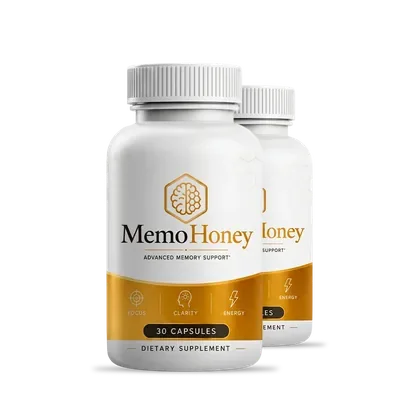
If you decide to try a capsule, a fully printed label makes it easier to judge. The order page shows the MemoHoney terms.
See today’s price and guaranteeDisclosure: Memoahoney is a USA Authorized MemoHoney Retailer and earns a commission on orders placed through this site. The price is shown at checkout.Key facts
- We reviewed only the sources named on this site. We did not review other brands.
- NCCIH's digest on supplements and cognitive function reviews ginkgo, omega-3, vitamin E, curcumin and B vitamins. It does not mention amino acids at all.
- NCCIH on ginkgo: there is no conclusive evidence that Ginkgo biloba is efficacious in preventing or slowing dementia or cognitive decline.
- Arginine, citrulline and beta alanine are covered in the NIH fact sheet on exercise and athletic performance, not on cognition.
- The FDA does not approve dietary supplements before sale, so no brain supplement is FDA approved.
- Brain fog, memory loss and changes in thinking are medical questions, not shopping questions.
- MemoHoney is not a treatment for memory loss or dementia.
What are brain and memory supplements?
They are dietary supplements sold for memory, focus, mental clarity or energy. They come as capsules, pills, tablets, gummies and drinks. The wording on them is usually of the support kind, such as supports memory or supports focus.
That wording is allowed because it describes a normal body function and names no disease. It is a marketing category, not a medical one. Two bottles on the same shelf can hold very different things: a plant extract, a vitamin, an amino acid, or a mix.
So the question do brain supplements work has no single answer. The honest question is whether this ingredient, at this amount, has been tested for this outcome.
What do NCCIH and NIH actually say?
The NCCIH digest on dietary supplements and cognitive function looks at ginkgo, omega-3, vitamin E, curcumin and B vitamins. We read it for what it reviews and what it leaves out. Of ginkgo it says there is no conclusive evidence that it prevents or slows dementia or cognitive decline.
The digest does not mention amino acids at all. That matters because many capsules, MemoHoney among them, are built from arginine, citrulline and beta alanine. Those ingredients appear in the NIH fact sheet on exercise and athletic performance, and the NIH niacin sheet contains nothing on memory.
| Source | What it covers | What it leaves out |
|---|---|---|
| NCCIH digest, supplements and cognitive function | Ginkgo, omega-3, vitamin E, curcumin, B vitamins | Amino acids |
| NIH fact sheet, exercise and athletic performance | Arginine, citrulline, beta alanine and others, with doses and safety notes | Memory and thinking outcomes for these |
| NIH fact sheet, niacin | Daily need, upper limit, flushing | Cognition, memory, Alzheimer's disease |
| Drugs.com professional monograph, L-arginine | Dosage trends, cautions, interactions | A memory benefit |
What our named sources cover. Absence from a digest is not proof that something fails, only that the digest does not report a result.
How should you read words like clinically proven?
Words that sound like proof need a trial behind them. Clinically proven should name a trial, its size, its length and its result. Doctor recommended should name a doctor. Third-party tested should name a laboratory and a report.
On one supplement we sell, the listing carried a physician formulated mark with no physician named and a third-party tested mark with no laboratory named. A bar of publication logos named no paper. The check is simple: if a claim has no name, no number and no date, treat it as decoration.
Testimonials follow the same rule. They are the seller's choice of what to show, and their own disclaimer usually says results may not be typical.
What about brain fog and memory loss?
Brain fog is a description, not a diagnosis. Poor sleep, stress, illness, some medicines and many other things can cloud thinking. A shop cannot tell you which one is yours. A doctor can start to.
A change in memory or thinking that worries you, or that others have noticed, deserves a proper check. Supplements are not a treatment for memory loss or dementia, and a capsule bought first can delay a visit that matters.
If you are looking up brain fog supplements for menopause or perimenopause, the same advice holds. Ask your own doctor. We have no source on those situations and we will not guess.
Are brain supplements safe to take?
Safe depends on the ingredient, the amount and you. A supplement can interact with medicines. Our sources note this for arginine, a vasodilator, with nitrates, and say caution is warranted. The label of one product we sell tells pregnant or nursing mothers, under-18s and people with a medical condition to consult a physician.
That advice is a good rule for any bottle. Show the panel to a pharmacist, especially if you take blood pressure medicine, a blood thinner, insulin or a cholesterol drug.
Headaches and stomach upset are listed reactions for some ingredients at some doses. If a capsule does not agree with you, stop and ask a professional.
Are brain supplements effective, legit and worth it?
Effective, legit and worth it are three questions. Effective needs a trial at a matching dose. Legit means the seller is real and the label is honest. Worth it depends on price and on what you expect.
We can speak to the second only for the one bottle we sell, and we answer it in our legit-or-scam article. On the first, the sources we hold do not show that over-the-counter brain supplements are effective in a way you can count on.
We did not use Reddit threads, Consumer Reports, Mayo Clinic pages or brand ratings in our sources, so we make no claim about what they say. Brain supplement ratings from sellers deserve the same care as testimonials.
What are the side effects of brain and memory supplements?
There is no single list, because the products differ. For arginine, the monograph we read names nausea, diarrhea, indigestion, palpitations, headache and numbness. For beta alanine, tingling at 800 mg or more. For niacin, flushing at 30 to 50 mg or more of nicotinic acid. For citrulline, stomach discomfort in one study.
Any capsule can also upset an individual stomach. Stop and ask a professional if something does not feel right.
What about seniors, kids, studying and ADHD?
We have no source on these groups and we will not guess. Older adults often take medicines that interact with supplements. Children and teenagers are covered by the plain label advice that under-18s should consult a physician. For attention problems or ADHD, a clinician is the right first stop.
The same applies to students. A supplement is not a substitute for sleep, food and a doctor's advice when focus is a problem.
What is a fair checklist for any brain supplement?
- Find the Supplement Facts panel before anything else. If a page does not show it, ask for it.
- Count how many ingredients have a printed amount and how many sit in a blend.
- Check each amount against a study of the same ingredient, and note the length of the study.
- Ask whether the study measured memory or thinking, or something else, such as exercise.
- Look for a named laboratory, a named maker and a named physician behind any badge.
- Read the guarantee and the return steps before you pay.
- Tell your doctor or pharmacist what you take.
We used this list on MemoHoney. It scored well on the first two and poorly on the rest.
Frequently asked questions
Do brain supplements really work?
No source we opened shows that over-the-counter brain supplements work in a way you can count on. Results depend on the ingredient, the amount and the outcome measured, and many products have no trial of the finished formula.
Do memory supplements work for older adults?
We found no source that shows it for the amino acid products we examined. Memory changes in older adults are a medical matter, so talk to a doctor before relying on a supplement.
Are brain supplements safe?
It depends on the ingredient, the dose and your medicines. Pregnant or nursing mothers, people under 18 and people with a medical condition should consult a physician. Show the panel to a pharmacist.
Are brain supplements FDA approved?
No. The FDA does not approve dietary supplements before they are sold, so no brain or memory supplement is FDA approved. A label statement says so on every compliant bottle.
What helps brain fog?
We cannot offer a fix. Brain fog has many causes, such as sleep, stress, illness and medicines. A doctor can help find yours, and a supplement is not a substitute for that conversation.
How can I tell a good brain supplement from a bad one?
Check for a printed amount for every ingredient, a study at a matching dose, and named people behind every badge. A product that passes those checks has earned a closer look, not a guarantee.
Our view
Our view is cautious on purpose. The U.S. sources we trust do not show that over-the-counter brain supplements deliver, and the one digest on cognition leaves out the ingredients many capsules use. That is not the same as proof of failure, but it is not a reason to expect a benefit.
If you shop, shop with the checklist, not the claims. If memory worries you, put a doctor ahead of any bottle. We sell one such bottle, and we have tried to write about it the way we have written about the whole category.
We sell one memory supplement and have tried to describe it fairly. The order page shows today's price and the guarantee.
See today’s price and guaranteeDisclosure: Memoahoney is a USA Authorized MemoHoney Retailer and earns a commission on orders placed through this site. The price is shown at checkout.Last updated . General information only, not medical advice. MemoHoney is not FDA approved, and no supplement is.